CME HOURS
ACA‐20260003516

Scientific lectures delivered by local and international experts covering recent advances in diabetes treatment, technology, and prevention strategies.
Interactive panel discussions addressing real-world clinical challenges, complex diabetes cases, and evolving management guidelines.
Workshops and hands-on sessions focused on insulin therapy optimization, continuous glucose monitoring, obesity management, and patient-centered care.
Collaborative discussions between departments and external experts that strengthened interdisciplinary cooperation and encouraged knowledge exchange.
Research presentations and case studies highlighting innovative practices, quality improvement projects, and recent clinical experiences.
Educational initiatives aimed at improving patient awareness, lifestyle modification, and early detection of diabetes-related complications.
( 2 DAYS )
To enhance clinical knowledge of healthcare professionals in evidence-based diabetes management by increasing participants’ understanding of updated diabetes guidelines, pharmacological therapies, and emerging technologies by the end of the symposium.
To improve practical clinical skills in the management of complex diabetes cases through interactive workshops and case-based discussions, with at least 80% of participants demonstrating improved confidence in clinical decision-making during post-activity evaluation.
To strengthen interdisciplinary collaboration among physicians, nurses, pharmacists, dietitians, and allied healthcare professionals by facilitating multidisciplinary panel discussions and collaborative learning activities throughout the symposium.
To promote the implementation of patient-centered care practices by equipping participants with effective communication and counseling strategies that support patient adherence, lifestyle modification, and long-term diabetes control within their clinical practice.
At the conclusion of the Diabetes Symposium, participants demonstrated improved knowledge and understanding of current evidence-based practices in diabetes prevention, diagnosis, and management. Healthcare professionals enhanced their ability to apply updated clinical guidelines, optimize pharmacological therapies, and utilize emerging diabetes technologies in routine practice. Participants also strengthened their clinical decision-making and problem-solving skills through interactive case discussions and multidisciplinary collaboration. In addition, the symposium increased awareness of comprehensive patient-centered care approaches, including lifestyle modification, patient counseling, early identification of complications, and cardiovascular risk reduction. Overall, the activity contributed to improved professional competence, interdisciplinary communication, and commitment to delivering high-quality diabetes care and better patient outcomes.
1st Scientific Table
2nd Scientific Table


-.

-.

-.

-.

-.

-.

-.

-.

-.

-.
-.

-.

Recorded health courses from our authorized partners
KSUMC AI‐Driven Healthcare Landscape
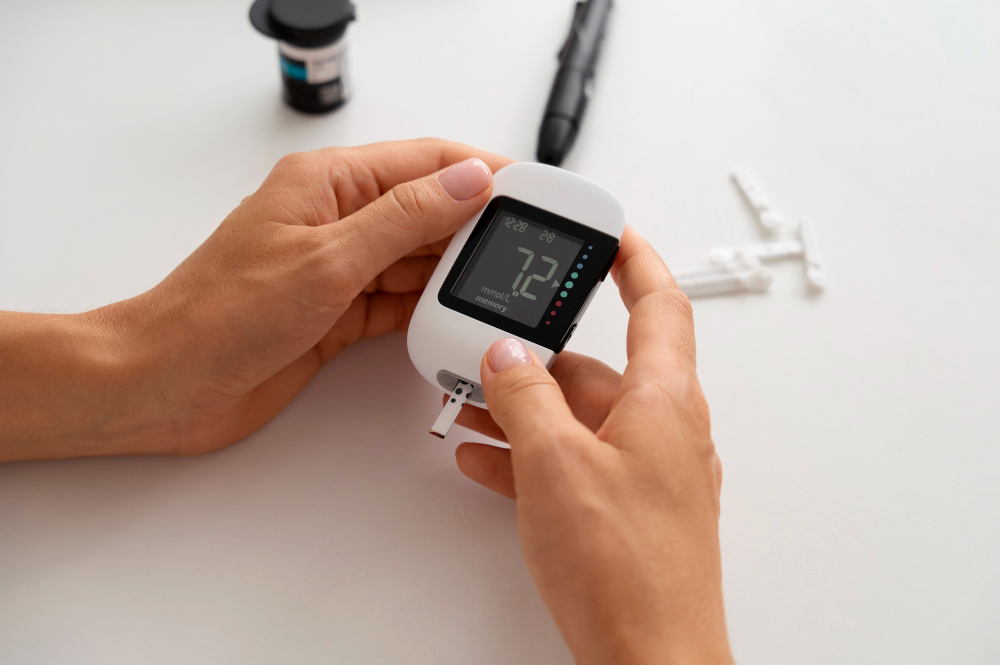
30th World Diabetes Day Conference

 Activity details


 Home
 Courses & Activities
 About AFAQ
 Contact us