GERD is a common condition that can be effectively managed through lifestyle modifications and appropriate medical treatment. Early diagnosis and proper management can help relieve symptoms, improve quality of life, and prevent potential complications.
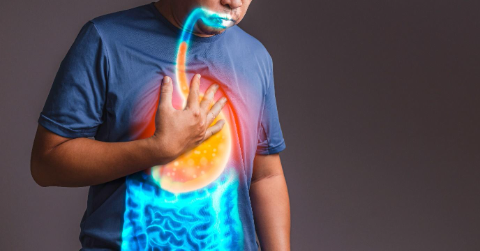
Gastroesophageal Reflux Disease (GERD) is one of the most common gastrointestinal disorders. It occurs when stomach contents, including gastric acid, repeatedly flow back into the esophagus, causing irritation of its lining and symptoms that may negatively affect a patient’s quality of life.
Causes and Risk Factors
GERD is most commonly caused by weakness of the lower esophageal sphincter (LES). Several factors may contribute to its development, including:
- Obesity.
- Hiatal hernia.
- Pregnancy.
- Smoking.
- Delayed gastric emptying.
- Consumption of certain foods and beverages, such as fatty or spicy foods and caffeine.
- Use of certain medications.
Symptoms
Common symptoms include:
- Heartburn.
- Regurgitation of food or stomach acid into the mouth.
- Difficulty swallowing (dysphagia).
- Chest pain or discomfort.
- Sore throat and hoarseness.
- Chronic cough and bad breath.
- Worsening of asthma symptoms in some patients.
Diagnosis
Diagnosis is based on the patient's medical history and clinical examination and may require additional tests, including:
- Upper gastrointestinal endoscopy.
- 24-hour esophageal pH monitoring.
- Esophageal manometry.
- Barium swallow radiography.
Treatment
Lifestyle Modifications
- Avoid foods and beverages that trigger symptoms.
- Eat smaller, more frequent meals.
- Lose weight if necessary.
- Elevate the head during sleep.
- Quit smoking.
Medical Treatment
- Antacids.
- Histamine-2 receptor blockers (H2 Blockers).
- Proton pump inhibitors (PPIs).
Surgical Intervention
Surgery may be considered in severe cases or when symptoms do not respond adequately to medical treatment. One of the most common surgical procedures is Fundoplication.
Complications
If left untreated, GERD may lead to:
- Esophagitis and esophageal ulcers.
- Esophageal stricture and difficulty swallowing.
- Barrett’s Esophagus, which increases the risk of esophageal cancer.
- Chronic respiratory complications.
- Dental erosion and sleep disturbances.


 Home
Home
 Courses & Activities
 About AFAQ
  Contact us