Pneumonia is a respiratory infection that can become severe if not treated promptly. Early diagnosis and appropriate treatment play a crucial role in recovery and in reducing the risk of complications.
Pneumonia is an infection that affects the lungs, leading to inflammation of the air sacs (alveoli). It can be caused by bacteria, viruses, or fungi. The severity of pneumonia ranges from mild to life-threatening, and it is more common in children, older adults, and individuals with weakened immune systems.
Symptoms
Symptoms vary depending on the type and severity of the infection and may include:
- Cough with phlegm (sputum).
- Shortness of breath or difficulty breathing.
- Chest pain that worsens with breathing or coughing.
- Fever and chills.
- Fatigue and general weakness.
- Sweating, especially at night.
- Nausea, vomiting, and loss of appetite.
- Confusion, particularly in older adults with severe cases.
Types of Pneumonia
Pneumonia can be classified into several types:
Based on the setting of infection:
- Community-acquired pneumonia.
- Hospital-acquired pneumonia.
Based on the causative agent:
- Bacterial pneumonia (e.g., Streptococcus pneumoniae).
- Viral pneumonia (e.g., influenza and RSV).
- Fungal pneumonia (e.g., Aspergillus).
- Opportunistic pneumonia in immunocompromised patients.
- Aspiration pneumonia, caused by inhalation of food, liquids, or other substances into the lungs.
Diagnosis
Diagnosis is based on:
- Medical history and physical examination.
- Chest auscultation using a stethoscope.
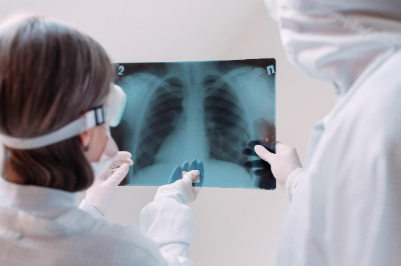
- Chest X-ray.
- Blood tests.
- Sputum analysis.
- Bronchoscopy in selected cases.
Treatment
Treatment depends on the cause and severity and may include:
- Antibiotics for bacterial infections.
- Antiviral medications for certain viral infections.
- Antifungal medications for fungal infections.
- Oxygen therapy for breathing difficulties.
- Bronchodilators when needed.
- Rest and increased fluid intake.
- Hospitalization in severe cases.
Home Care
Supportive care at home may include:
- Drinking adequate fluids.
- Getting plenty of rest.
- Using humidifiers.
- Elevating the head while sleeping.
- Maintaining a balanced and nutritious diet.
Prevention
Preventive measures include:
- Receiving recommended vaccinations (e.g., influenza vaccine).
- Regular hand hygiene.
- Avoiding smoking.
- Strengthening immunity through a healthy lifestyle.
- Avoiding close contact with infected individuals.
- Seeking medical care early when symptoms appear.


 Home
Home
 Courses & Activities
 About AFAQ
  Contact us