Recent advances in prosthetic limb technology have significantly improved the lives of many individuals, enabling them to regain independence and perform daily activities more effectively. Medical, psychological, and rehabilitative support also play a vital role in achieving optimal outcomes and enhancing the quality of life for prosthetic limb users.
Prosthetic limbs are medical devices designed to replace missing or damaged limbs resulting from injury, disease, or congenital conditions. They aim to improve mobility, independence, and overall quality of life for users.
Types of Prosthetic Limbs
Prosthetic limbs are generally classified into two main categories:
Upper-Limb Prosthetics
These devices are used to replace a missing arm, hand, or fingers and include:
- Body-powered prostheses.
- Myoelectric prostheses, which use muscle signals to control movement.
- Hybrid prostheses that combine multiple control technologies.
Lower-Limb Prosthetics
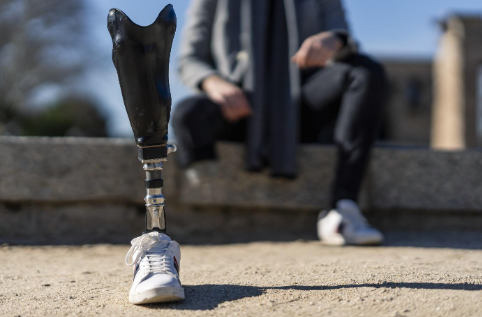
These devices are used to replace a missing leg or foot and include:
- Below-knee prostheses.
- Above-knee prostheses.
- Partial foot prostheses.
- Prostheses with socket systems designed to provide stability and support for the residual limb.
Modern prosthetic limbs are manufactured using advanced materials such as carbon fiber, metals, and high-performance plastics. They are customized to meet the unique needs of each individual.
Challenges Associated with Prosthetic Limb Use
Despite their significant benefits, prosthetic limb users may face several challenges, including:
- Discomfort or skin irritation.
- Limited ability to perform certain movements and activities compared to a natural limb.
- High costs and ongoing maintenance requirements.
- The need for psychological adjustment following limb loss.
- Concerns related to body image and self-confidence.
Adaptation and Support Strategies
Individuals using prosthetic limbs can improve their quality of life through:
- Physical therapy and rehabilitation programs.
- Participation in support groups and peer networks.
- Psychological counseling when needed.
- Developing a positive mindset and strengthening self-confidence.
- Utilizing assistive devices and modern technologies.
- Staying informed about advancements in prosthetic technology.


 Home
Home
 Courses & Activities
 About AFAQ
  Contact us