Head injuries can range from minor to life-threatening conditions. Early diagnosis and prompt medical intervention are essential for reducing complications and improving recovery outcomes. Prevention and adherence to safety measures remain the most effective ways to reduce the occurrence of these injuries.
Head injuries are among the most common types of injuries and can range from mild to severe. They are often caused by falls, motor vehicle accidents, sports-related injuries, or physical assaults. Some cases require immediate medical attention to prevent serious complications.
Types of Head Injuries
Head injuries include several types, such as:
- Concussion: A mild traumatic brain injury caused by the brain moving or shaking within the skull.
- Brain Contusion: Localized bruising, bleeding, or swelling of brain tissue resulting from a direct impact.
- Skull Fracture: A break in one or more bones of the skull.
- Intracranial Hemorrhage: Bleeding within or around the brain, which can increase pressure on brain tissue.
- Diffuse Axonal Injury (DAI): A severe injury causing widespread damage to the brain’s nerve fibers.
- Penetrating Head Injury: Occurs when a foreign object penetrates the skull and reaches brain tissue.
Symptoms
Symptoms vary depending on the severity of the injury and may include:
- Headache.
- Dizziness and loss of balance.
- Nausea or vomiting.
- Confusion or difficulty concentrating.
- Vision disturbances and sensitivity to light.
- Memory loss.
- Changes in mood or behavior.
- Loss of consciousness in severe cases.
First Aid
When a head injury is suspected, the following steps should be taken:
- Assess the injured person's condition and call emergency services if necessary.
- Avoid moving the injured person if a neck injury is suspected.
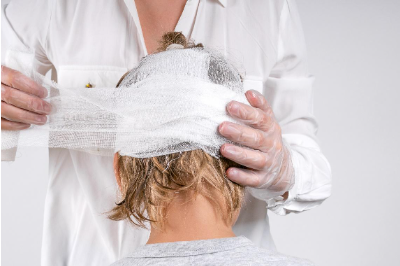
- Control bleeding by applying direct pressure to the wound.
- Apply a cold compress to reduce swelling.
- Monitor symptoms closely.
- Seek immediate medical attention if warning signs develop.
When to Seek Medical Attention
Emergency medical care should be sought immediately if any of the following occur:
- Loss of consciousness.
- Seizures.
- Severe or worsening headache.
- Repeated vomiting.
- Difficulty speaking or altered mental status.
- Unequal pupil size.
- Clear fluid draining from the nose or ears.
- Weakness or numbness in the limbs.
- Excessive drowsiness or difficulty waking up.
Potential Complications
Severe or untreated head injuries may result in:
- Brain bleeding or swelling.
- Permanent brain damage.
- Memory and concentration problems.
- Neurological and physical disabilities.
- Coma or death in severe cases.
Prevention
The risk of head injuries can be reduced by:
- Wearing helmets during sports activities and cycling.
- Using seat belts while traveling in vehicles.
- Making homes safer to prevent falls.
- Following safety guidelines at work and during sports activities.
- Avoiding driving under the influence of alcohol or drugs.
- Undergoing regular vision and hearing examinations, especially for older adults.


 Home
Home
 Courses & Activities
 About AFAQ
  Contact us